
Matambre a la Pizza
Beef flank steak, tomato sauce and mozzarella come together in this Argentine beef — 55 minutes, 7 steps, and the kind of result worth repeating. You'll find the full ingredient list (with a scaler to change the servings), 7 steps of method, substitutions, and ideas for what to serve alongside.
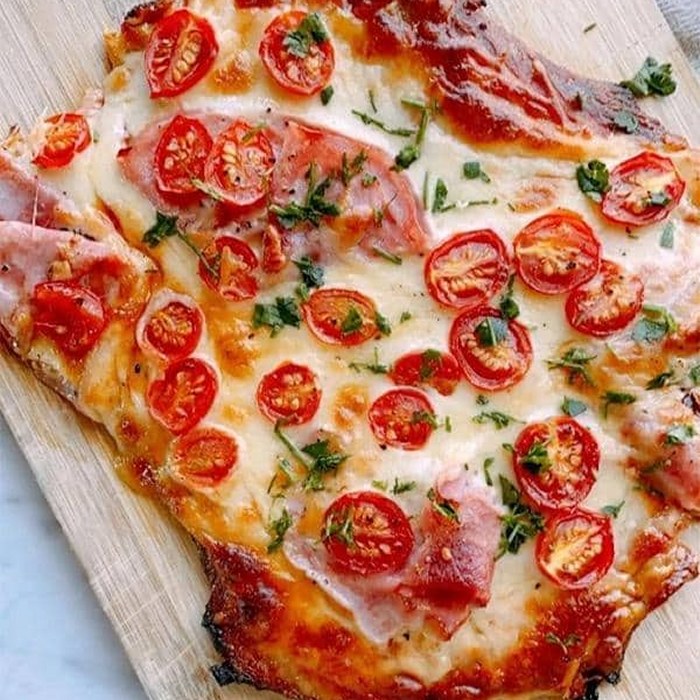
You'll mainly reach for grill / broiler. At medium difficulty across 7 steps, it's manageable with a little attention.
What you'll need
Shopping list (4)
Pantry staples (you likely have these)
Diet: contains meat, based on every ingredient listed below.
Contains: Dairy
Allergen labels are informational and may not cover cross-contact; verify every package and consult a qualified professional for medical dietary needs. Diet labels are derived from the ingredient list on this page — how we verify diet and allergen labels.
Food-safety and allergen information is general, not medical advice. Follow current guidance from your local food-safety authority, verify product labels, and seek qualified advice for allergies or health conditions.
How to make it
- Prepare the Steak: Season the steak with salt and pepper. Grill one side until half-cooked.
- Add Toppings: Spread tomato sauce over the cooked side, then add cheese, oregano, and olives.
- Finish Grilling: Grill until the cheese is melted and bubbly.
- Serve: Slice and serve hot.
- Pro Tips:
- Tenderize the matambre by scoring it lightly on both sides. This helps it cook more evenly and absorb the flavors.
- Precook the matambre on the grill before adding the toppings to ensure it's fully cooked without burning the cheese.
You'll use: Grill / broiler
Watch how it's made

Hosted on YouTube — pressing play loads content from YouTube.
What to serve with Matambre a la Pizza
- Choripán Pork
- Dulce de Leche Dessert
- Alfajores Dessert
- Fainá Side
Tips & common questions
How long does Matambre a la Pizza take to make?
About 55 minutes from start to finish — an estimate based on the 7 steps and 7 ingredients. Times vary with your kitchen and how much prep you do ahead.
Can I scale this recipe up or down?
Yes — use the servings control above the ingredients and every quantity rescales automatically (fractions included). Cooking times stay roughly the same; very large batches may need a little longer.
How should I store leftovers?
Cool leftovers quickly, refrigerate in an airtight container, and eat within 3 days. Reheat until piping hot throughout.
Related recipes


Structured source recipe — not yet independently kitchen-tested by Consomee. How we source, test & correct recipes.
Recipe data for Matambre a la Pizza via TheMealDB (open database). ▶ Video. Original source. Consomee adds the scaler, ingredient tools, timing and structure — how we source recipes.